LASIK, LASEK, PRK...how are you supposed to know which type of laser eye surgery is right for you? While all of these types of laser eye surgery can treat nearsightedness, farsightedness and astigmatism, there are some differences that may influence your decision as to which one is best for your eyes.
LASIK
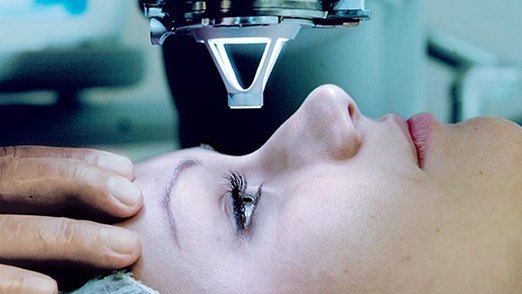
Arguably the most common type of laser eye surgery, LASIK involves reshaping the tissue underneath the cornea with the use of a laser. This helps the eye to focus light properly. A thin flap is made in the cornea in order to access the tissue underneath. This can be made with a blade or a laser. The laser then reshapes the cornea, correcting your vision.
LASEK
Very similar to PRK, the main difference of LASEK is that the surgeon uses an alcoholic solution in order to loosen the tissue before reshaping the cornea. A protective contact lens is then placed in order to let the eye heal. This healing process takes a few days and is quicker than PRK recovery.
See Also: How to Choose the Right Laser Eye Surgeon For You
PRK
PRK is the original form of laser eye surgery but it’s becoming less common. In this case, a laser is also used to reshape the cornea but it only affects the surface rather than the tissue underneath. The surface layer of the cornea or tissue is removed so no flap is needed. Once the tissue is removed, a laser is then used to reshape the cornea.

See Also: The Before, During and After of Laser Eye Surgery
Which type of laser eye surgery is right for me?
All three types of laser eye surgery have similar results. A safe option would be to opt for LASIK which is the most popular laser treatment. However, this is not the best option if you have thin corneas or play contact sports. This is because this process can weaken the cornea. In such cases, it’s best to opt for LASEK or PRK as they’re less invasive.
The best practice is to research as much as possible before making a decision. Speak with your optician and visit various laser eye surgery clinics in order to get an idea of which treatment best suits your needs. With so many new treatments, there’s sure to be one that’s right for you and your eyes.